A new era begins at Paignton Zoo as Grasslands zone welcomes first residents
Big birds, big changes... Paignton Zoo's new grasslands zone takes shape with first new species arrival
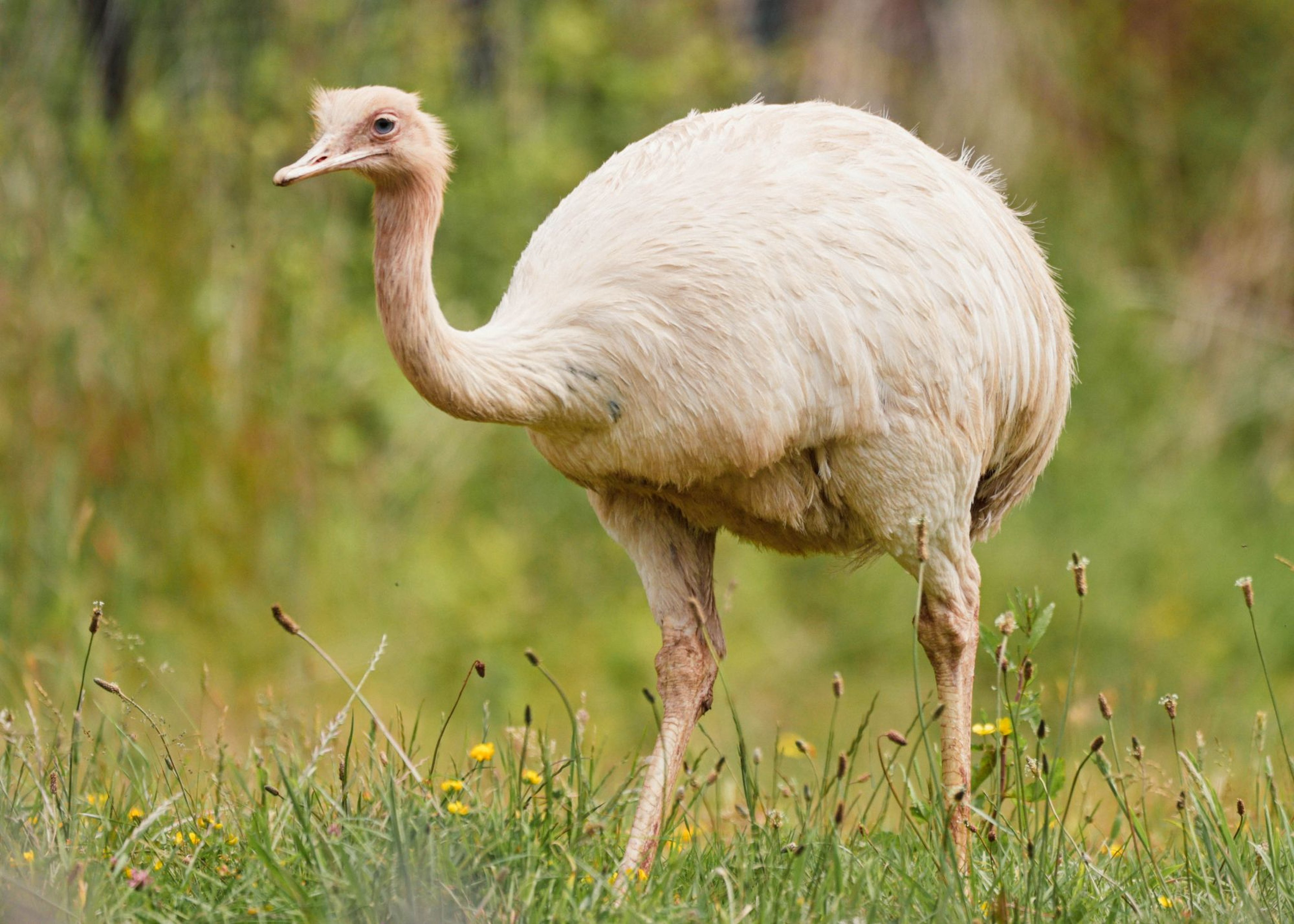
Paignton Zoo has welcomed four rhea as the first new species to arrive as part of its major new Grasslands development, marking the opening of the zoo's new South American Pampa habitat.
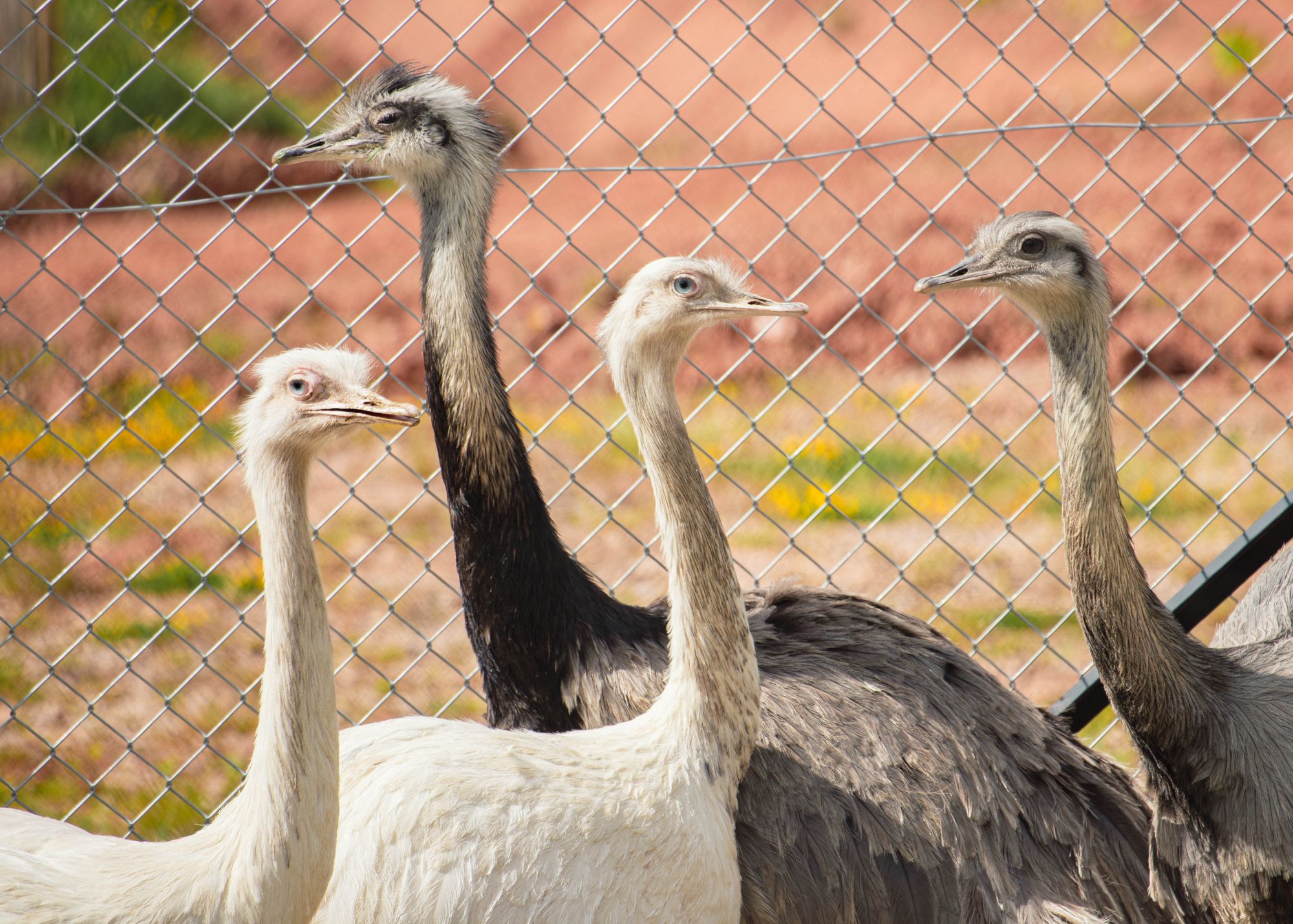 The group, two males and two females, arrived from All Things Wild in Evesham on Thursday 14 May and have now settled into the new habitat, the first completed themed environment within the wider Grasslands zone currently taking shape across the site. The youngest bird is five years old, while the oldest is 16.
Visitors will soon also be able to see vicuña joining the habitat, creating a mixed-species experience inspired by the open grasslands of South America.
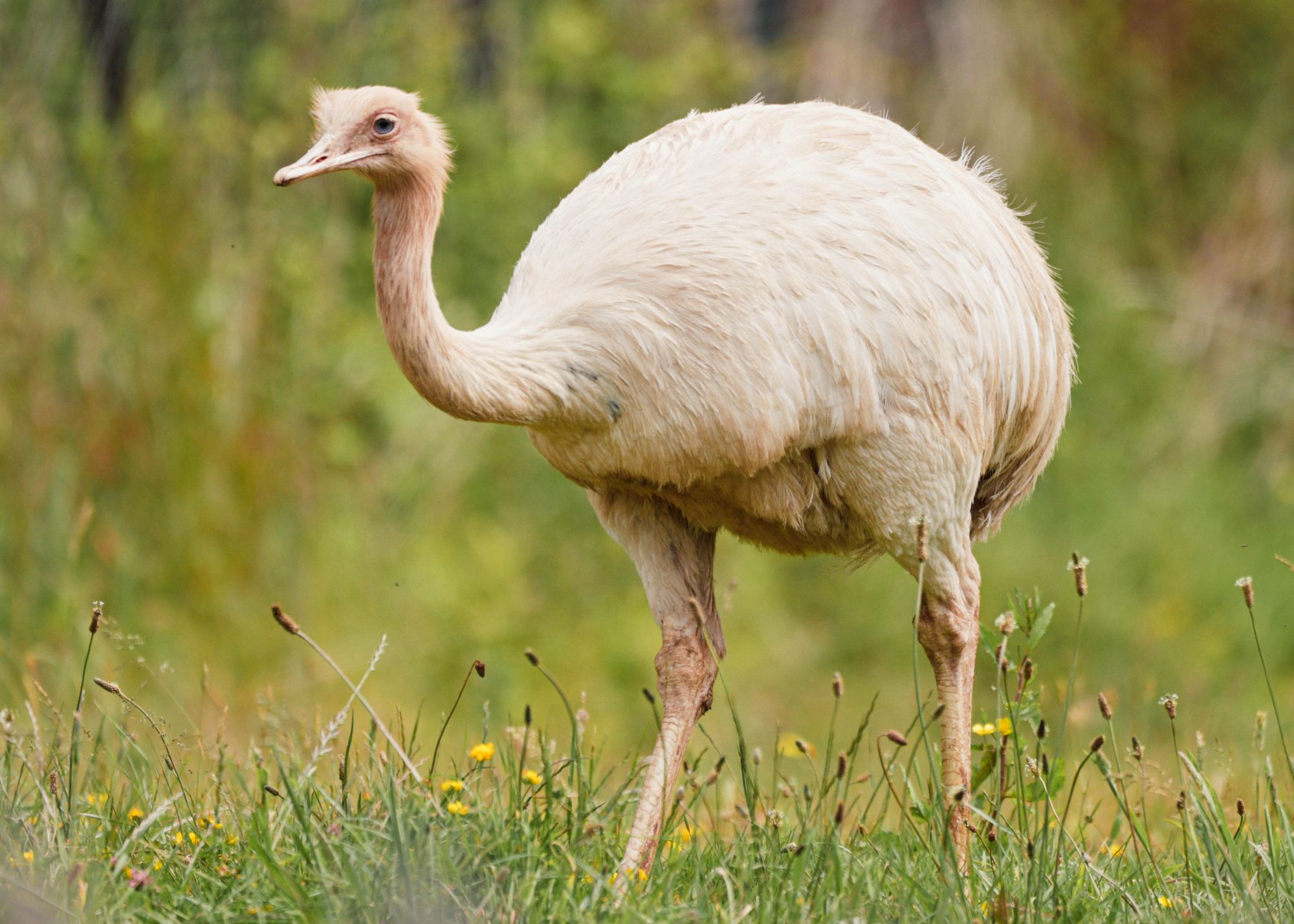
Rhea are ratites, a group of large flightless birds that also includes ostriches, emus, and cassowaries, and are the largest birds native to South America. Native to open grassland environments, they are classified as Near Threatened in the wild, with populations affected by habitat loss and hunting. Though rhea typically live between 10 and 15 years in the wild, they can live beyond 20 under human care.
Lisa Britton, Head of Animal Care at Paignton Zoo, commented:
"Rhea are a fantastic fit for this habitat. They're highly active, socially engaging animals, and watching them move through the open space of the Pampa environment really gives you a sense of the hilly landscapes they would inhabit in the wild. We're looking forward to introducing vicuña to the mix and seeing how the species interact."
The South American Pampa habitat has been designed to reflect the wide, open grassland environments of South America, encouraging natural behaviours and giving visitors an early glimpse into the future direction of the zoo. New habitats, landscapes, and visitor experiences are expected to continue emerging across the site throughout 2026 and beyond.
The new Grasslands zone forms part of a wider long-term transformation underway at Paignton Zoo, with significant investment being made into habitats, visitor facilities, landscaping, and guest experience.