:focal(2072x449:2073x450):quality(85))
Paignton Zoo unveils major transformation with new habitats, species, and visitor experience
Paignton Zoo is set to transform its entire site into four themed zones, marking the most significant redevelopment in its 103-year history.
Now part of the Libéma group, a Dutch leisure company with a strong track record of investing in and revitalising zoological parks, the zoo has already begun work across the site. Visitors may have noticed diggers, new structures, and early signs of change as plans move from concept into reality.
At the heart of the transformation is a completely new layout. The zoo will be organised into four distinct zones: Grasslands, Wetlands, Rainforests, and Islands. Each area will be designed as a looping route, ensuring visitors can fully explore every habitat, all connected by a central plaza overlooking the main lake.
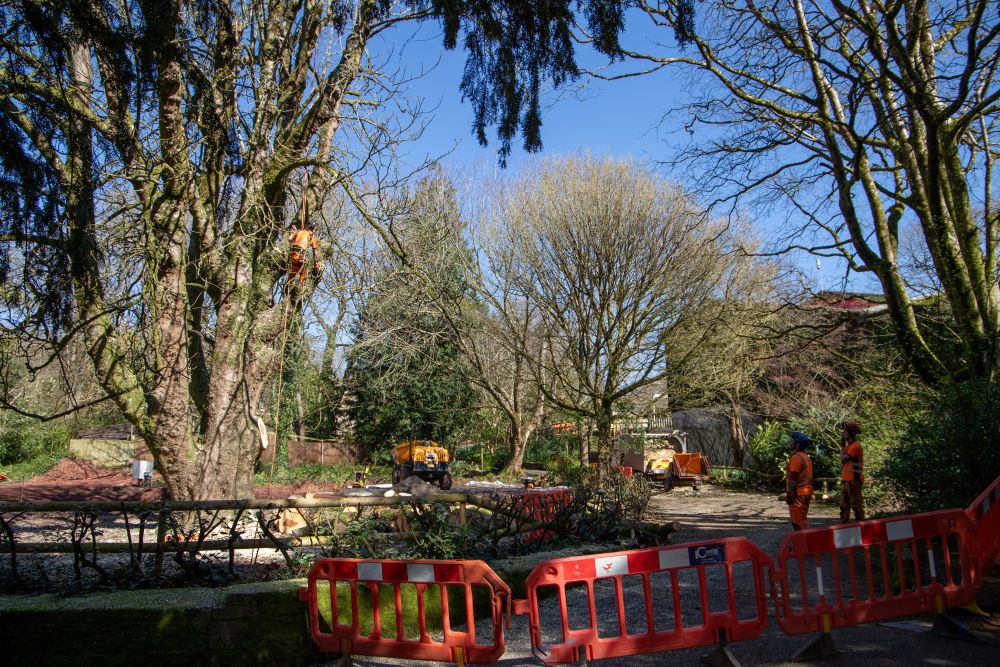
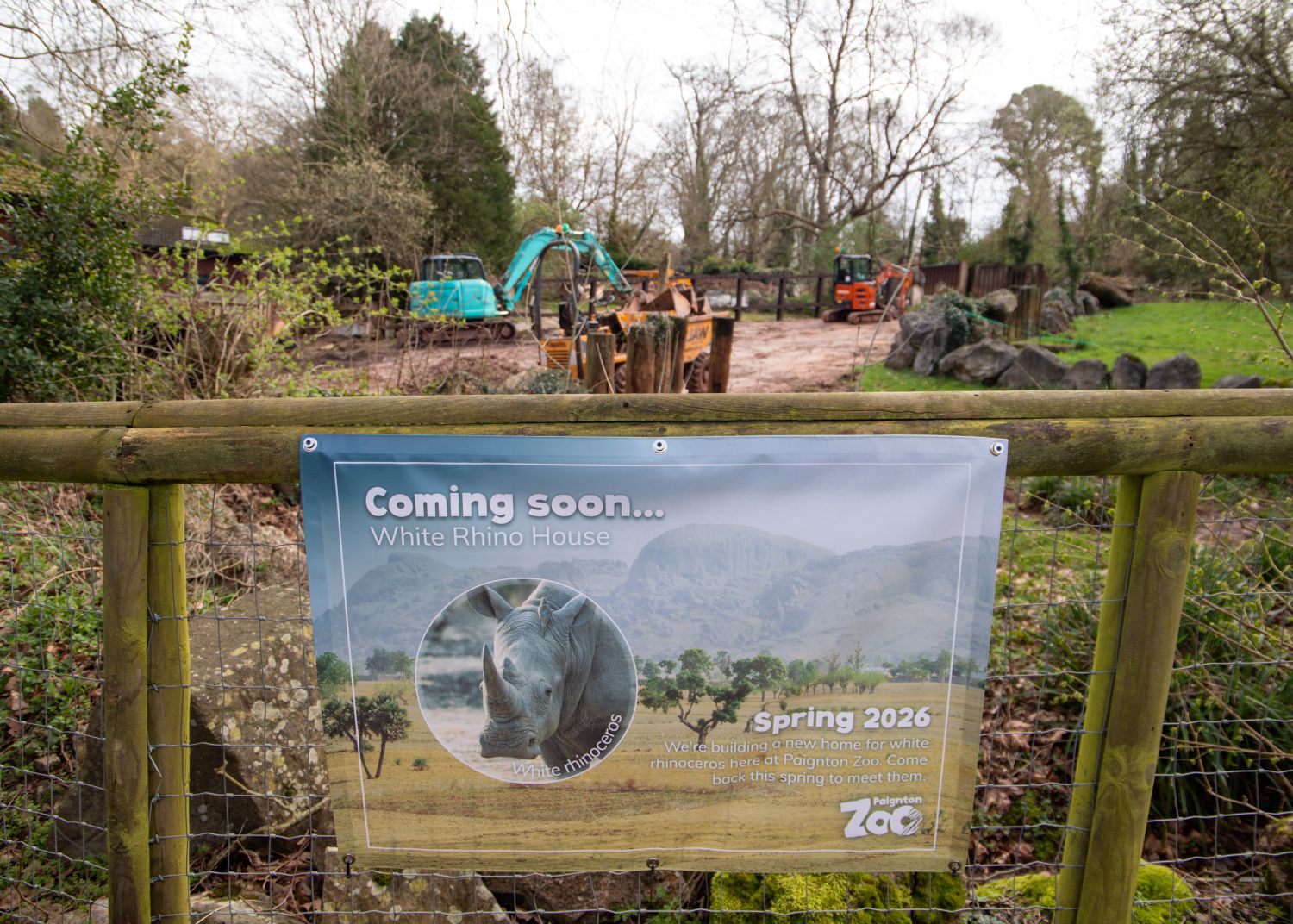
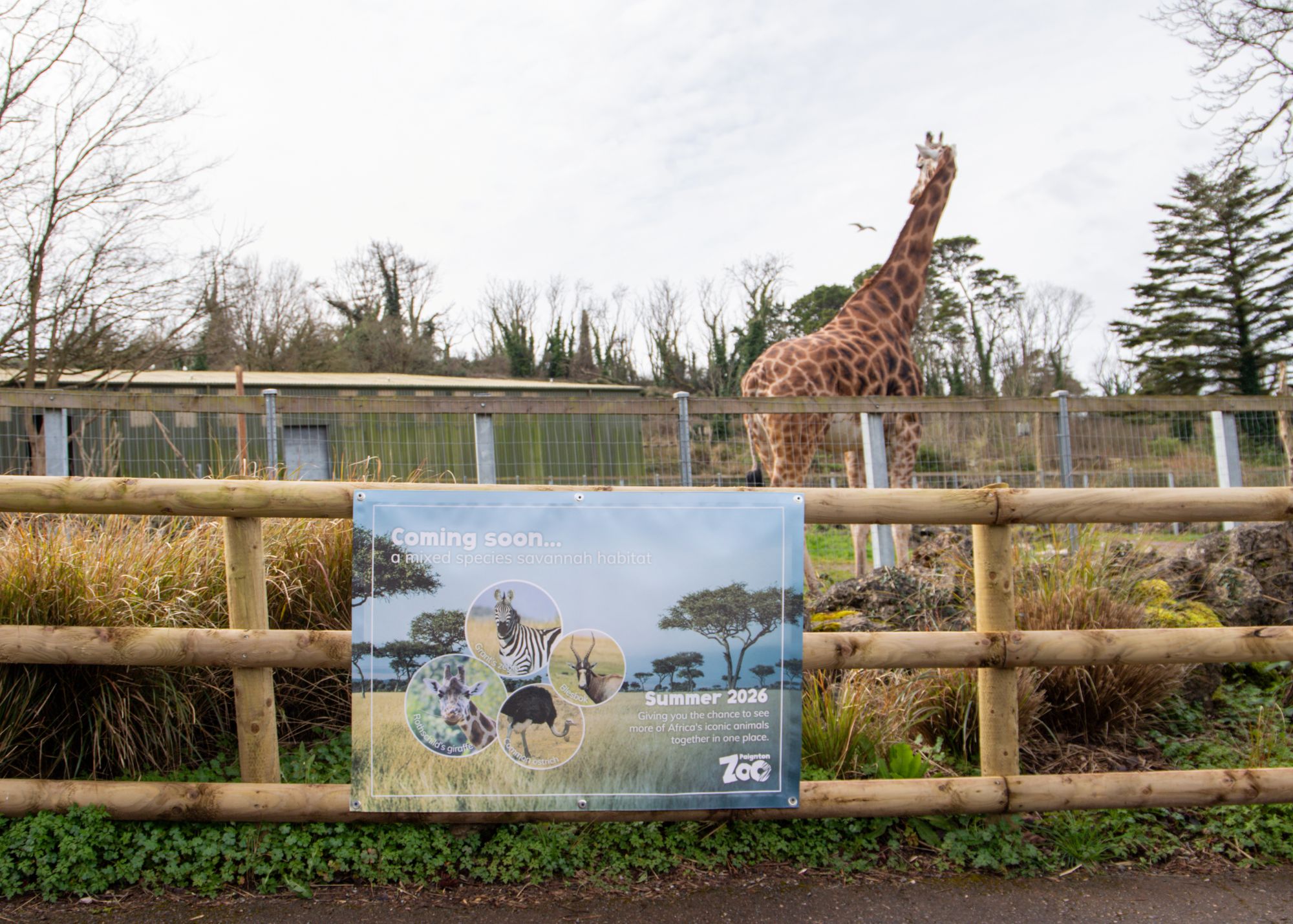
The first major phase of this transformation is now underway in the new Grasslands zone, where the existing giraffe paddock is being expanded into a large mixed-species savannah. Alongside giraffes, visitors will see the return of zebras, joined by ostrich and blesbok. Zebras are not the only charismatic species set to return. A new Plains habitat is currently under development to welcome white rhinoceros, supporting the zoo’s ongoing role in conservation and species management.
While the zoo previously cared for black rhino, this next phase introduces a species more closely associated with open grassland habitats, aligning with the wider transformation of the site. Significant upgrades are now underway, with the first arrivals expected later this year.
The wider Grasslands area will also introduce habitats inspired by different continents. In the South American-inspired Andean Pampa, species such as rhea and vicuña will take up residence, while the Central Asian Steppe will become home to Bactrian camels and yak. These developments mark a shift towards larger, mixed-species environments designed to better reflect natural ecosystems.
Elsewhere, work is already underway in the future Wetlands zone, where a new habitat is being prepared for sitatunga, a rare antelope species known for its ability to move through water. Plans are also progressing across the Rainforests and Islands zones, alongside further developments within the zoo’s indoor habitats, with species such as babirusa, saki monkeys, and Komodo dragons expected to feature as development continues.
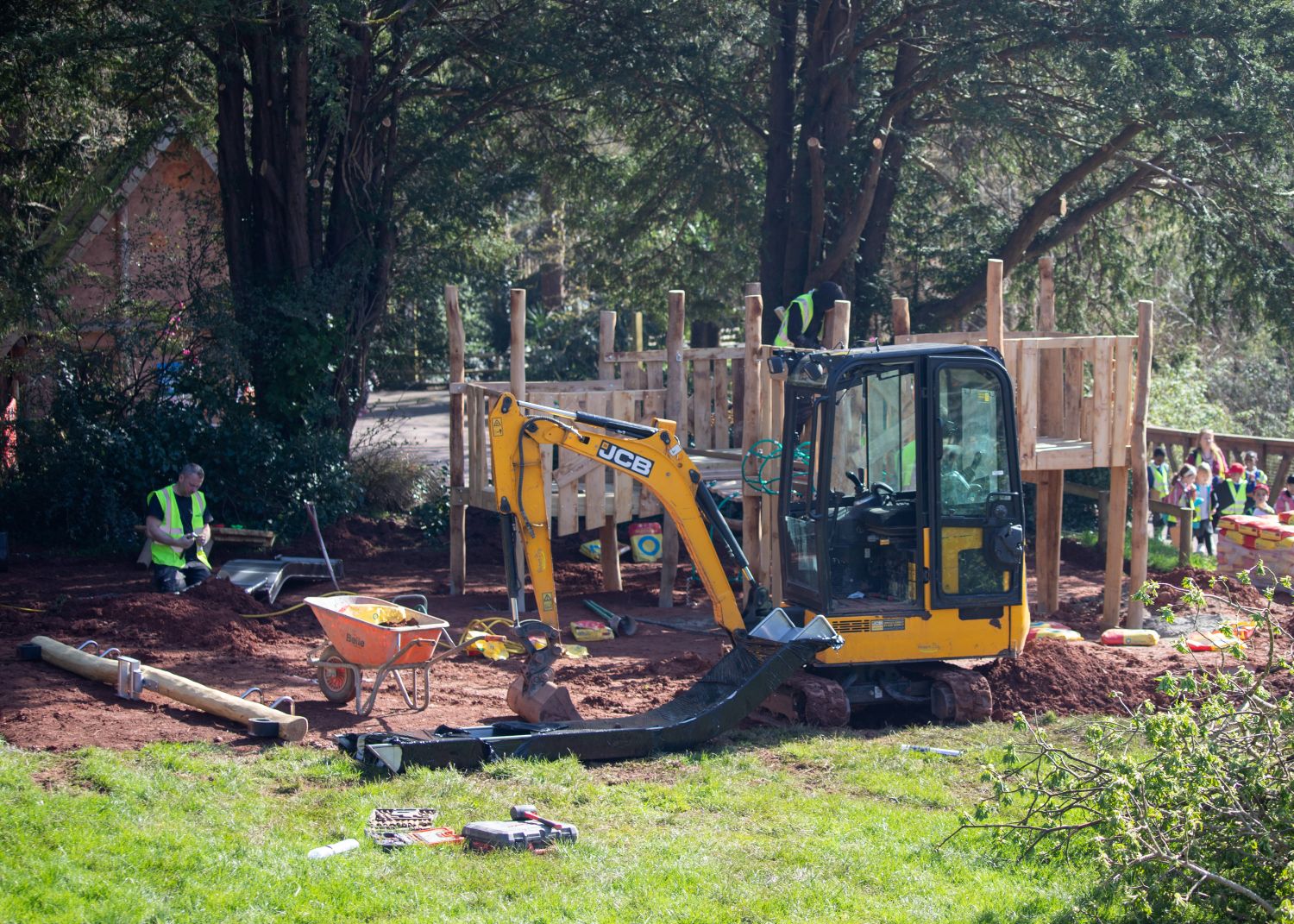
The transformation will also extend beyond animal habitats. New pathways, improved visitor flow, enhanced play areas, and updated food and drink facilities are all part of the wider redevelopment, alongside new interpretation and storytelling woven throughout the routes. Together, these changes are designed to create a more immersive and engaging day out.
The zoo is also exploring ways for the local community to be involved in the transformation, with opportunities to contribute to elements of the redevelopment expected to be announced later this year.
Steven van den Heuvel, Transition Manager for Paignton Zoo, commented:
“This is a hugely exciting moment for Paignton Zoo. What we’re doing is not just updating individual habitats, but rethinking the entire visitor experience and how we tell the story of the animals in our care.
Grasslands is the first major step, but it’s part of a much bigger transformation happening across the whole site. Over time, visitors will see new species, new habitats, and a completely new way of exploring the zoo.
Importantly, this evolution stays true to what Paignton Zoo has always stood for. Conservation, education, and animal welfare remain at the heart of everything we do, and this investment allows us to strengthen that work for the future.”
Conservation remains at the core of Paignton Zoo’s work, with international breeding programmes for endangered species continuing alongside the redevelopment. Plans are also underway to introduce new fundraising initiatives to support conservation projects both in the UK and overseas.
With the first new arrivals expected around Easter, visitors will soon begin to see the early stages of this transformation take shape, with further developments continuing throughout the year.